What to know about access problems for Palmers Green rubbish jobs
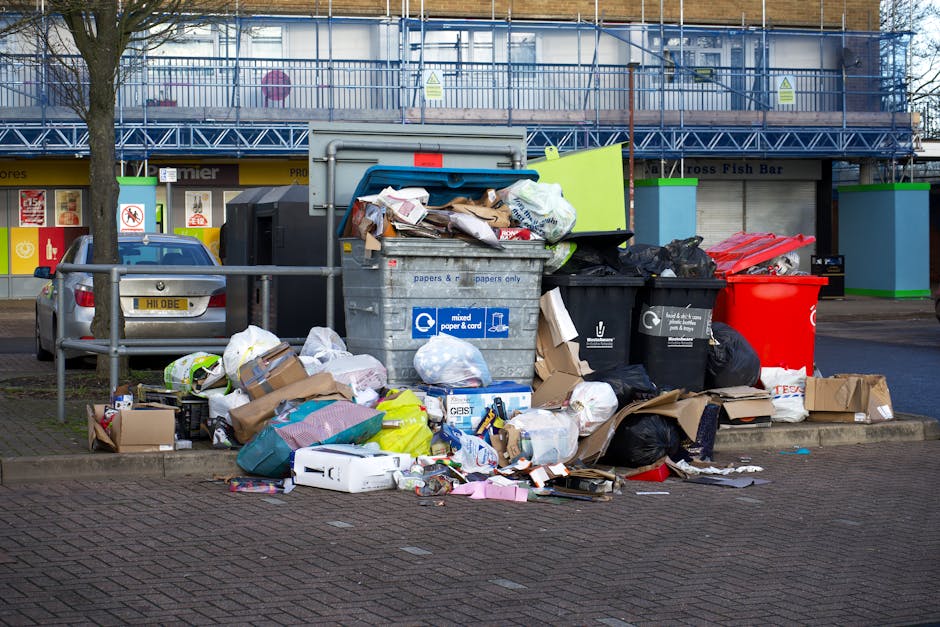
If you are arranging a rubbish job in Palmers Green, access is often the bit that decides whether the day runs smoothly or turns into a bit of a scramble. Narrow staircases, awkward back entrances, permit-only parking, shared hallways, lift restrictions, and bins that have somehow grown roots in the wrong place can all slow things down. What to know about access problems for Palmers Green rubbish jobs is not just a planning detail; it is the difference between a quick, tidy clearance and a job that takes longer than expected.
That matters whether you are clearing a flat, a loft, an office, a garage, or a whole house. In local London streets, the hardest part is often not the rubbish itself. It is getting to it. This guide walks through the practical side of access issues, what usually causes them, how professionals handle them, and how to avoid the common snags that catch people out at the last minute.
Why access problems matter
Access shapes almost every part of a rubbish removal job. It affects how many people are needed, how long the work takes, whether larger items can be moved safely, and whether anything has to be dismantled before it leaves the property. In a place like Palmers Green, where you can have terraced homes, maisonettes, flats above shops, and older buildings with tight internal layouts, access can be the main variable.
To be fair, people often think access only means "can the van park nearby?" That is part of it, but not the whole story. A job can have good roadside parking and still be difficult if the rubbish is down two flights of stairs, behind a locked communal door, or wedged into a loft with a low hatch. The crew still has to carry, turn, protect walls, and avoid damage. That takes planning.
It also matters because rushed lifting is where mistakes happen. Scraped bannisters, strained backs, dropped furniture, and blocked hallways are the sort of thing everyone wants to avoid. Good access planning reduces stress and keeps the job calm. Which, honestly, is worth a lot on a busy day.
Expert summary: Access issues are rarely a reason to cancel a rubbish job, but they do need to be flagged early. The more accurate the description of entrances, stairs, parking, and item size, the smoother the clearance will be.
How access problems are handled
Most rubbish jobs in Palmers Green are straightforward once the access picture is clear. The process usually starts with a description of the property and what needs removing. Then the team works out how to get from the item to the vehicle with the least disruption possible.
That might mean a few simple adjustments:
- bringing an extra pair of hands for heavy or bulky items
- using smaller loads to move items in stages
- dismantling furniture before removal
- protecting stair edges, floors, or communal hallways
- choosing the best arrival time to avoid busy parking periods
- planning around lift access or key-holder arrangements
In some jobs, access issues are minor and only add a few minutes. In others, they change the whole method. A mattress on the ground floor is very different from a mattress under a sloping loft roof with a narrow stair turn. Truth be told, the biggest problems are often the ones people forget to mention because they seem obvious to them.
If you are comparing rubbish removal with something like a skip, it helps to look at the physical route as well as the waste itself. For example, if you are unsure what would suit a mixed load, it can be useful to review what can go in a skip and then think about whether carrying items out of the property is likely to be the harder part.
Key benefits and practical advantages
When access is assessed properly, the job tends to feel less rushed and more predictable. That sounds simple, but it makes a real difference on the day.
Here are the main advantages:
- Faster turnaround: fewer surprises mean fewer delays.
- Safer lifting: a clearer route reduces the risk of injury or property damage.
- Better pricing clarity: awkward access can affect labour time, so it is better to know upfront.
- Less disruption: neighbours, residents, and staff are inconvenienced for a shorter time.
- More accurate vehicle planning: the right van and crew can be arranged in advance.
There is also a quieter benefit: peace of mind. If you have ever tried to move a sofa down a hallway that seems to have shrunk overnight, you will know the value of someone arriving prepared. It changes the mood of the whole job. People relax.
For mixed household clearances, access planning also helps decide whether a broader service such as house clearance or a more focused home clearance is the better fit. The practical route through the property often matters as much as the volume of waste.
Who this is for and when it makes sense
This topic matters for anyone organising removal from a property with limited or awkward access. That includes landlords, tenants, homeowners, estate agents, business owners, and people clearing inherited belongings. If you are in a flat above a shop or a maisonette with a narrow stairwell, you are very much in the right place.
It especially makes sense to think about access when you are dealing with:
- top-floor flats without a lift
- communal entrances with coded or locked doors
- parking restrictions or yellow lines
- basements, lofts, or garage spaces with tight turns
- bulky items like wardrobes, sofas, appliances, or bed frames
- jobs that need to be done quietly or during specific building hours
It is also relevant if the property contains several types of waste. Builders' debris, furniture, and general household items all move differently. A clearance involving renovation leftovers may need a different setup from a straightforward furniture removal. For that reason, some people also look at builders waste clearance or furniture clearance when working out how the access will affect the job.
And then there are the little surprises. One locked gate at the back. One missing lift key. One item that looked light enough until you tried to pivot it round a corner. These things happen. Quite often, actually.
Step-by-step guidance
If you want the job to go smoothly, the best approach is methodical. You do not need to overcomplicate it, but a few minutes of preparation can save a lot of awkwardness later.
- Measure the route, not just the item. Door widths, stair turns, and ceiling height can matter more than item size alone.
- Check parking and unloading space. Think about where a vehicle can safely stop, and whether there is space to carry items out without blocking others.
- Describe the access honestly. If there is a narrow stairwell, no lift, or a long walk from the road, say so early.
- Identify anything that needs dismantling. Wardrobes, desks, bed frames, and some appliances may need partial disassembly.
- Separate hazardous or awkward items. These may need different handling from everyday rubbish.
- Clear the path where possible. Move smaller obstacles, open doors, and keep pets or children away from the route.
- Confirm timings and keys. Sounds obvious, but a job can stall if the right person is not there to open a gate or communal door.
For flats and shared buildings, it can help to consider a service designed around indoor access and stair carrying, such as flat clearance. If you are dealing with a loft or attic, the access route becomes even more important, and a dedicated loft clearance may be the more practical route.
A simple rule: if you can picture the journey of the biggest item from its current spot to the pavement, you are already halfway there.
Expert tips for better results
Here are the small details that make a big difference in real jobs.
- Take photos of the access route. A few clear pictures of stairs, hallways, and parking can explain more than a long message.
- Be specific about floors. "First floor" and "top floor" are not interchangeable when carrying heavy items.
- Leave enough space near the exit. Even a narrow landing can become a bottleneck if boxes are stacked there.
- Think about weather. Rain makes stairwells, drives, and pavements awkward. A wet morning is never ideal, but it is manageable with planning.
- Separate the awkward items early. Fridge freezers, sofas, and mattresses can need different handling from bagged waste.
- Give warning of fragile areas. Glass panels, low ceilings, and polished wood surfaces need a gentler touch.
One of the best habits is to walk the route yourself once before the team arrives. You notice things in motion that you miss when you are standing still. A door that sticks. A turn that is tighter than it looked. A step down into the garden that is annoyingly easy to forget. Small stuff, big difference.
If your job includes bulky household items, it can be worth checking related service pages such as mattress and sofa disposal or fridge and appliance removal. These items often create the same access headaches, just with a different shape.
Common mistakes to avoid
The most common access problem is not the staircase itself. It is a mismatch between what was expected and what is actually there.
Here are the mistakes that come up again and again:
- Underestimating item size. A sofa that "should fit" often doesn't once the angle of the turn is tested.
- Forgetting about parking restrictions. In London, that can turn a simple lift-and-load into a slower, more careful job.
- Not mentioning a lift is out of service. That one can change everything.
- Leaving access notes until the last minute. The crew may still manage, but planning becomes tighter.
- Assuming all rubbish can be carried the same way. Some items need two people, some need dismantling, and some need special handling.
- Blocking the route with extra clutter. It may seem like a small issue, but it quickly adds up.
There is also a subtler mistake: trying to "make do" without explaining the awkward bit because you do not want to bother anyone. In practice, that usually makes things harder, not easier. A clear heads-up is much more useful than polite silence.
Tools, resources and recommendations
You do not need specialist equipment to prepare for an access-sensitive rubbish job, but a few simple tools help a lot.
- Measuring tape: useful for checking doorways, stair widths, and item dimensions.
- Phone camera: a quick set of photos can show the layout far better than a description.
- Notes app or paper checklist: ideal for listing floors, entrance codes, and parking details.
- Labels or sticky notes: helpful if items need to be separated before collection.
- Torches or good lighting: useful for lofts, basements, and dim communal corridors.
For decision-making, it can help to look at the type of waste as well as the access route. For example, if you are clearing a garage or garden, the physical layout may be very different from an internal flat clearance. In those cases, garage clearance or garden clearance may be more relevant than a general job.
If the job includes items that need careful disposal, it is sensible to separate them in advance and discuss them clearly. That is especially true for anything that may fall under hazardous waste disposal. Access and handling go hand in hand there.
Law, compliance, standards, or best practice
Access problems themselves are mostly a practical issue, but they can intersect with safety, waste handling, and property rules. In the UK, anyone arranging rubbish removal should think carefully about safe lifting, responsible disposal, and whether any items need special treatment. That is especially true for electrical items, sharp objects, and materials that may be hazardous or restricted.
Good practice usually includes:
- clear communication before the job
- safe manual handling
- respect for communal areas and neighbours
- careful separation of items that need different disposal routes
- checking building access rules where relevant
- making sure the work is insured and carried out safely
If you are using a professional clearance service, it is sensible to look at how they approach safety and insurance. Pages such as health and safety policy and insurance and safety are the sort of places that should reassure you the job will be handled properly.
Best practice also means being honest about any obstacles that could affect timing or labour. That might include a long carry distance, shared access, or limited vehicle access. Nothing dramatic. Just real-world conditions, the sort that matter on the day.
Options, methods, or comparison table
Different access situations call for different approaches. Here is a simple comparison to help you think it through.
| Access situation | Best approach | What to watch for |
|---|---|---|
| Ground-floor property with nearby parking | Standard collection with minimal setup | Check vehicle stopping space and door clearance |
| Top-floor flat with no lift | Extra labour, planned carrying route, possible dismantling | Stair turns, communal rules, time needed |
| Loft or attic space | Careful route planning and selective removal | Low ceilings, hatch size, fragile flooring |
| Garage or garden access | Direct load-out if the route is clear | Mud, uneven surfaces, side gate width |
| Mixed household and bulky items | Separate handling by item type | Bulky furniture may take more time than bagged rubbish |
If the route is awkward but manageable, removal is usually still possible. The question is not simply "can it be done?" but "what is the safest and least disruptive way to do it?" That shift in thinking matters a lot. It keeps the job sensible.
Case study or real-world example
A fairly typical Palmers Green situation goes like this: a resident in a first-floor flat needs a mix of old furniture, box bags, and a broken chest of drawers removed before redecorating. The flat has a narrow communal staircase, parking is limited, and the front entrance is shared with two other households. Nothing unusual, but not exactly easy either.
The resident had assumed the drawers would slide out in one piece. They did not. Once the route was checked properly, it became clear the drawers needed to be partly dismantled to avoid catching on the stair bend. The team also needed a short window for parking close to the entrance. Because those details were explained early, the job was carried out without stress. The hallway stayed clean, the neighbours were not left standing around, and the whole thing felt neatly managed rather than chaotic.
That is the quiet value of access planning. The job is still the job. But it stops feeling like a gamble.
In a similar way, mixed domestic jobs sometimes benefit from choosing the right clearance type rather than forcing everything into one plan. If the property is being fully cleared, something like house clearance may be more suitable than treating each item separately.
Practical checklist
Use this checklist before the team arrives. It is simple, but it covers the things people miss most often.
- Have you described the number of floors?
- Do you know whether there is a lift, and whether it works?
- Have you checked the width of doors, hallways, and stair turns?
- Is there a place for the vehicle to stop safely?
- Have you mentioned parking restrictions or permit requirements?
- Are any items too large to carry in one piece?
- Have you flagged fragile floors, walls, or bannisters?
- Are any items hazardous or needing separate handling?
- Will someone be there to provide access if keys or codes are needed?
- Have you cleared the walking route as much as possible?
If you can tick most of those off, you are in good shape. If not, no drama. Just gather the missing details before collection day. That small bit of effort really does pay off.
Conclusion
What to know about access problems for Palmers Green rubbish jobs comes down to one idea: the rubbish is only half the job. The route in and out matters just as much. Once you understand the access picture, you can plan safer lifting, avoid delay, and choose the most practical way to clear the property.
For flat moves, lofts, garages, mixed household rubbish, or bulky furniture, a little planning goes a long way. Be honest about stairs, parking, gates, lifts, and awkward corners. That is usually enough to turn a difficult-looking job into a manageable one. And if something changes on the day, it can still be handled, as long as everyone knows what they are working with.
Get a free quote today and see how much you can save.
Sometimes the best clearance job is the one that feels almost boringly smooth. Quiet, tidy, done. That is a good day.
Frequently Asked Questions
What counts as an access problem for a rubbish job?
Anything that makes it harder to reach the items safely counts as an access problem. That usually includes narrow staircases, no lift, long carrying distances, restricted parking, locked entrances, or awkward turns inside the property.
Do I need to mention access issues when I book?
Yes, absolutely. The more the crew knows in advance, the better they can plan labour, timing, and equipment. Even small details like a tight doorway or a shared hallway can matter on the day.
Can a rubbish job still go ahead if the access is poor?
Often, yes. Poor access does not usually stop a job, but it may affect how it is handled. The team might need extra help, more time, or a different approach such as dismantling bulky items first.
What if the lift is out of order?
Say so early. A broken lift changes the whole route and can add carrying time. It is better to explain that upfront rather than discovering it when the team arrives and the trolley is already out.
Will awkward access make the job more expensive?
It can, depending on how much extra labour or time is needed. Not every access issue changes the price, but longer carries, multiple flights of stairs, or dismantling work can affect the quote.
How can I make a flat clearance easier?
Clear the path, measure the tight spots, confirm parking, and share photos if you can. For properties with stairs or shared entrances, a dedicated flat clearance approach is often the most practical.
Do bulky items need special planning?
Usually, yes. Sofas, wardrobes, mattresses, fridges, and large appliances can be difficult to turn or carry. That is where advance planning makes the biggest difference.
What should I do if access is through a garden or side gate?
Check the width of the gate, the surface underfoot, and whether there are obstacles such as planters, bins, or wet ground. Garden routes can be easier than internal stairs, but they can also be surprisingly awkward.
Is it better to choose a house clearance or a smaller removal job?
It depends on the amount of waste and how the property is laid out. If the whole property needs emptying, a broader house clearance may suit better. If it is only a few items, a smaller collection can be enough.
What if I am not sure whether something is hazardous?
Do not guess. Set it aside and ask before the collection day. Items that may need special handling should be identified early, especially if they could fall under hazardous waste disposal.
Can access problems affect office clearances too?
Yes. Office jobs can be just as tricky as domestic ones, especially in shared buildings, upper floors, or premises with loading restrictions. It is worth thinking carefully about corridors, lifts, and reception access before booking an office clearance.
What is the simplest way to explain access to a clearance company?
Tell them the property type, floor level, parking situation, entrance details, and any tight spots. A short message with a couple of photos is often enough. Clear, plain language works best. No need for a masterpiece.